
Why Does My Pet Smell? Causes of Pet Body Odor & Natural Remedies
What causes a dog's body odor and ways to fight it.
12/27/20254 min read


Noticing a persistent odor from your furry friend? Pet body odor is common, and understanding the causes and solutions can help you keep your pet smelling fresh and healthy.
If you’re looking for specific products that help with this, I’ve listed a few practical options throughout this post.
Please note: There are affiliate links in this post. If you click a link and make a purchase I may receive a small commission at no cost to you. Thank you.
Quick check: what kind of odor are you dealing with?
• Mild “doggy smell” → grooming, bedding, environment
• Strong or sour smell → skin, yeast, or ears
• Fishy smell → anal glands
• Bad breath → dental or gut health
Most pet odor isn’t dirt. It’s usually caused by moisture, skin imbalance, or lingering bacteria in the home. Fixing the source works better than stronger scents or more frequent baths.
Below, we break down the most common causes and how to approach each one gently.
Common Causes of Pet Body Odor
Bacterial or Yeast Infections – Most odor comes from bacteria or yeast thriving on the skin, especially in moist areas like ears, paws, or under skin folds.
Food Allergies – Certain ingredients (beef, dairy, grains) may trigger skin irritation or digestive issues, causing odor.
Environmental Allergens – Pollen, dust, mold, and seasonal allergens can irritate skin and contribute to odor.
Parasites – Fleas, ticks, or mites can cause skin reactions and unpleasant smells.
Shampoos & Grooming Products – Some harsh or scented shampoos, or shampoos not formulated for pets, can irritate skin or worsen odor.
Dental Issues – Bad breath or oral infections can impact overall body odor.
Underlying Medical Conditions & Stress – Hormonal imbalances, skin disorders, or chronic stress can affect skin health and contribute to odor.
Recommended Bathing Frequency
Most dogs: Every 3–6 weeks with a gentle, pet-safe shampoo.
Short-haired, active dogs: Every 4–6 weeks.
Long-haired or skin-sensitive breeds: Every 6–8 weeks.
Note: Over-bathing can strip natural oils and worsen odor.
Natural Remedies for Pet Odor
Brushing & Regular Baths – Keeps skin and coat clean and prevents bacteria buildup.
Natural Shampoos & Sprays
Castile soap-based shampoos formulated for pets
Pet-safe essential oil shampoos (e.g., chamomile, lavender, peppermint in very low concentrations)
Cedar oil sprays formulated specifically for pets (do not use human cedar oils)
Herbal Rinses
Chamomile tea rinse – Soothes irritated skin and reduces odor.
Peppermint or lavender tea rinse – Provides calming and mild antibacterial effects.
Apple Cider Vinegar Rinse – Diluted 50/50 with water, balances skin pH.
Oatmeal Baths – Soothes itchy or irritated skin.
Natural Oils
Coconut oil: Small amounts in diet or lightly rubbed on fur improve skin health.
Olive oil: Can be added to diet to support skin and coat.
Baking Soda – Sprinkle lightly on fur and brush out to absorb odors.
Probiotics – Supports gut health, which can reduce odor caused by digestive issues.
Proper Diet – High-quality, balanced diets with limited allergens help reduce skin and digestive-related odors.
Ear Cleaning & Parasite Control – Clean ears with vet-approved solutions; maintain flea/tick prevention.
Cleaning Pet Bedding & Toys – Wash bedding, blankets, mats, dog couches, toys, car seat booster or pet strollers and their crates regularly to remove odor-causing bacteria and allergens.
If you want to start fixing odor today
If you don’t want to guess or experiment, these are the categories that help most dog owners:
• Enzyme cleaners for carpets, bedding and crates
*Best if odor lingers in the home even after washing*
• Gentle antifungal shampoos*Best for sour, musty, or yeast-type smells*
Product #1
Veterinary Formula Clinical Care Antiseptic & Antifungal Shampoo
A gentle antiseptic and antifungal shampoo designed to help with odor related to greasy, scaly, or imbalanced skin. Soap-free and dye-free, with aloe to support skin comfort.
Why this works: Helps wash away odor-causing bacteria/yeast residue while supporting skin balance.
Best for: Sour, musty, or “wet dog” type smells that return after baths.
Not ideal for: Dogs sensitive to added fragrance or irritation around eyes/mucous membranes.Product #2
MiconaHex + Triz Medicated Shampoo
A medicated antifungal and antibacterial shampoo often used when veterinarians recommend extra support for persistent odor and skin imbalance.
Why this works: Combines antifungal and antibacterial ingredients to help manage recurring odor.
Best for: Strong, repeating odor where a vet has already suggested medicated shampoo support.
Not ideal for: Everyday bathing without guidance; avoid eyes and mucous membranes.
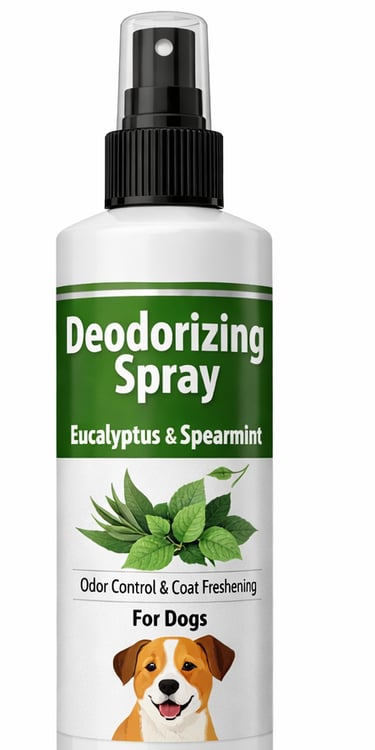
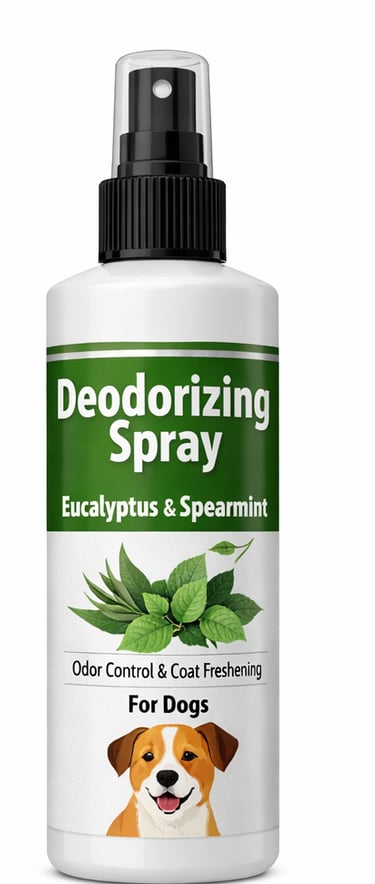
• Odor-neutralizing sprays (not perfumes)*Best for quick freshening between baths*
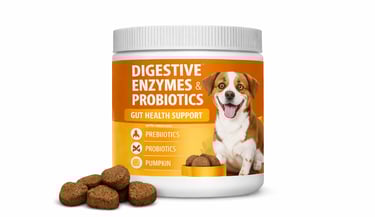
• Probiotic support for gut-related odor*Best if odor started after food changes or stomach issues*
I’ve linked a few options I’ve personally researched and trust above so you can choose what fits your dog best.
If you’re dealing with more than one type of odor, start with skin + environment first, then address diet and gut support.
When to Seek Veterinary Care
See a vet if odor persists or comes with
Red, inflamed, or itchy skin (supports natural allergies & inflammation defense)
Discharge, sores, or foul-smelling ears
Hair loss
Changes in behavior, appetite, or energy levels
Signs of infection or underlying medical conditions
If you’re feeling a little overwhelmed, that’s completely normal.
Dog odor is rarely just “one thing,” and it often takes small, gentle steps to figure out what’s really going on.
If it helps, I put together a simple 7-day reset that walks through exactly what to check and when — no harsh products, no pressure, just clear steps you can follow at your own pace.
👉 Start the 7 Day Dog Odor Reset (perfect if you’re not sure which cause applies to your dog yet)
This walks you through what to check first, second, and third so you don’t over-bathe or use the wrong products.
Many pet owners assume odor is just dirt — but it’s usually a combination of skin balance, diet, and environment. Starting gently and observing changes is often more effective than switching products constantly.
Disclaimer: I am not a veterinarian. This information is for general educational purposes only. Always consult your veterinarian for diagnosis and treatment specific to your pet
Please note: This post may contain affiliate links. If you choose to make a purchase, I may earn a small commission at no extra cost to you. Images are for illustration only.

© 2025. Playful Pet Essentials. All rights reserved.
As an Amazon Associate, I earn from qualifying purchases.
This site contains affiliate links. I may earn a commission at no extra cost to you
firechicbrooks945(at)gmail(dot)com
Shop Now
Contact Us At
(Replace [at] with @ and [dot] with .)