
Introducing a New Kitten to a Senior or Adult Cat -Modified for Pinterest
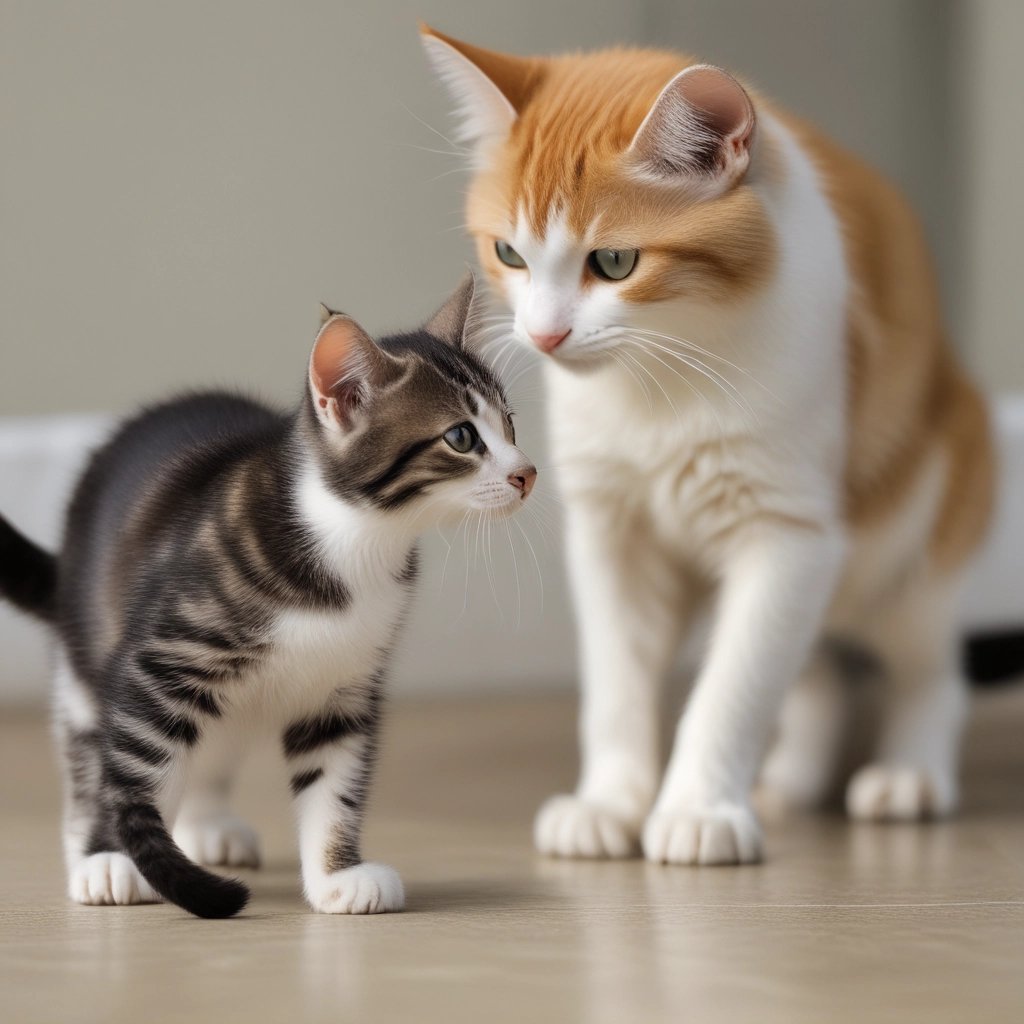
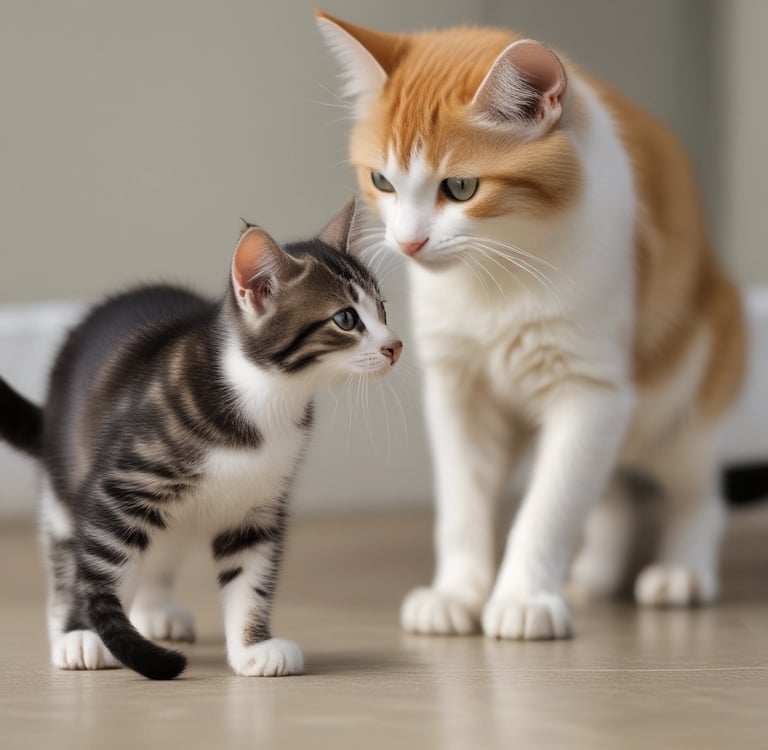
Bringing home a new kitten is exciting — but when you already have an older or senior cat who is set in their ways, the introduction process can feel overwhelming.
I’m not a vet or a behaviorist. I’m a long-time pet owner sharing what genuinely worked for us while introducing our kitten to our senior girl.
Every cat is different, but these steps helped keep everyone safe, healthy, and slowly (very slowly!) learning to coexist.
If you’re looking for specific products that support each phase, I’ve included practical options throughout this post. Picture are for illustrative purposes only. Actual product in link.
Please note: There are affiliate links in this post. If you click a link and make a purchase I may receive a small commission at no cost to you. Thank you.
1️⃣ Start with Complete Separation (Health & Stress Matter)
When we brought our kitten home, we kept him fully separated from our other pets. This protects your existing pets from possible illness, shields the kitten from overwhelming new scents and noise, and gives your senior cat predictability.
Each cat had their own food, water, litter box, and enrichment.
Helpful Tools During This Phase
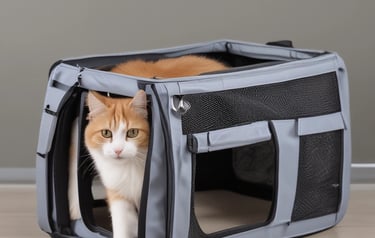
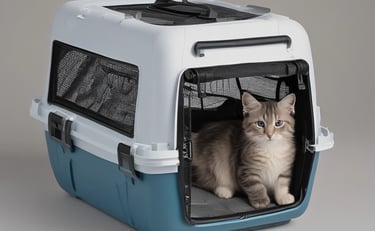
Cat carrier or travel bag (used for safe transport and temporary separation)
Why this helps:
Containment prevents sudden encounters and allows both cats to adjust without pressure.
2️⃣ Begin Scent Swapping Before They Ever Meet
Cats rely heavily on scent to decide whether they feel safe.
Before any face-to-face interaction, we introduced scent gradually by swapping bedding and allowing each cat to explore the other’s scent at their own pace.
Optional Support for Stress Reduction
Educational note:
Some pet owners find pheromone products helpful during environmental changes. Results vary, and they’re best used as support — not a solution on their own.
3️⃣ Controlled Visual Introductions
After scent swapping, we moved to controlled visual introductions. This allowed my senior cat to approach only when she felt ready, while keeping the kitten protected.
Tools That Make This Easier
Cat carrier or travel bag (again, now used for visual exposure) or a hard carrier.
Why it works:
Visual access without physical contact prevents surprise reactions and builds tolerance gradually.
4️⃣ Supervised Free Time (Burn Energy First)
Once both cats tolerated seeing each other calmly, we allowed short supervised interactions.
Before these sessions, I made sure the kitten had time to release energy.
Energy Management Tools
Teaching moment:
A tired kitten is less likely to chase, pounce, or overwhelm a senior cat.
5️⃣ Redirect Energy Without Creating Chaos
Mental stimulation matters just as much as physical activity.
When one cat needed confinement or downtime, enrichment prevented frustration.
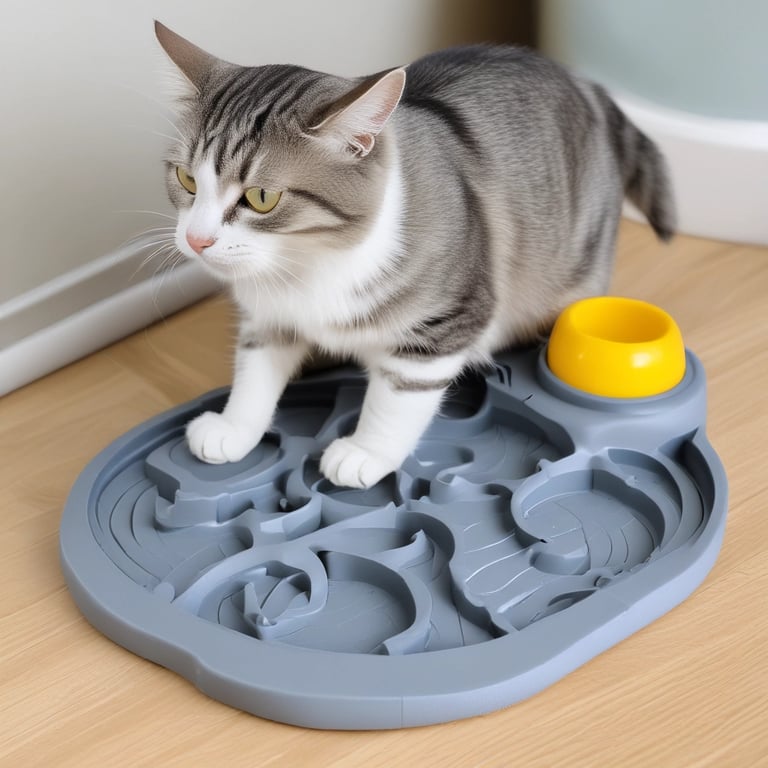
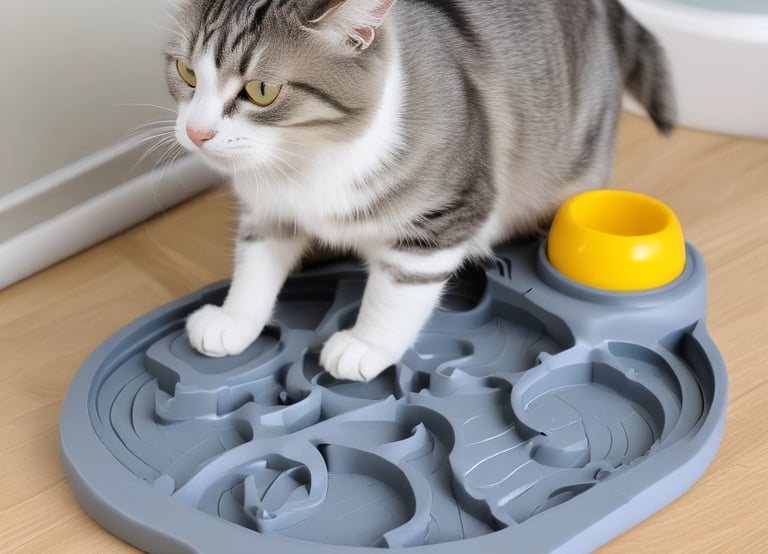
Mental Stimulation Options
Why this helps:
Puzzle feeding provides focus, slows eating, and reduces boredom-driven behaviors.
6️⃣ Watch Your Senior Cat’s Body Language
Learning your senior cat’s cues helps prevent conflict.
Flattened ears, tail flicks, and avoidance are signs to pause or reset. Always end interactions on a calm or neutral note.
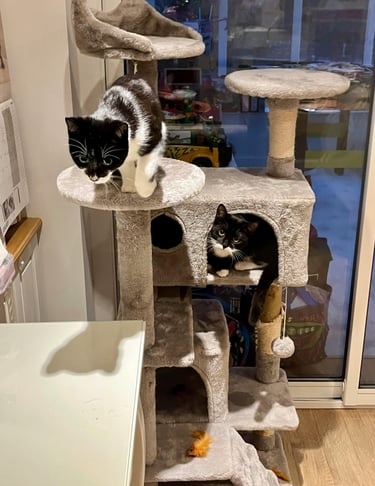
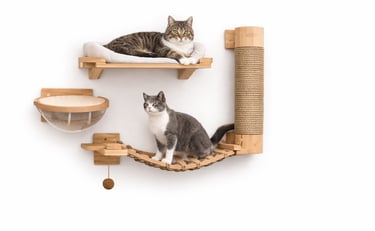
7️⃣ Create Safe Retreats for Your Senior Cat
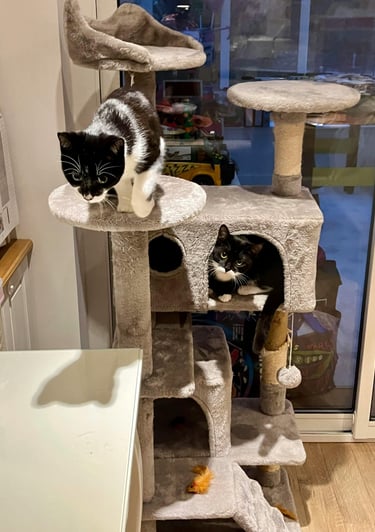
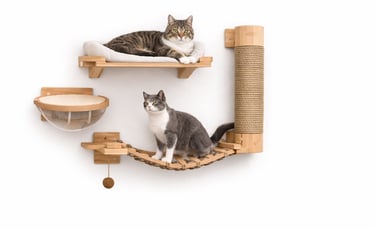
Your senior cat should always have spaces the kitten can’t access.
Vertical Space Solutions
Why vertical space matters:
Elevation gives senior cats control and confidence without confrontation.
8️⃣ Establish Predictable Daily Routines
Routine builds security.
Feeding, play, and rest at consistent times helped both cats understand what to expect.
Routine Support Tools
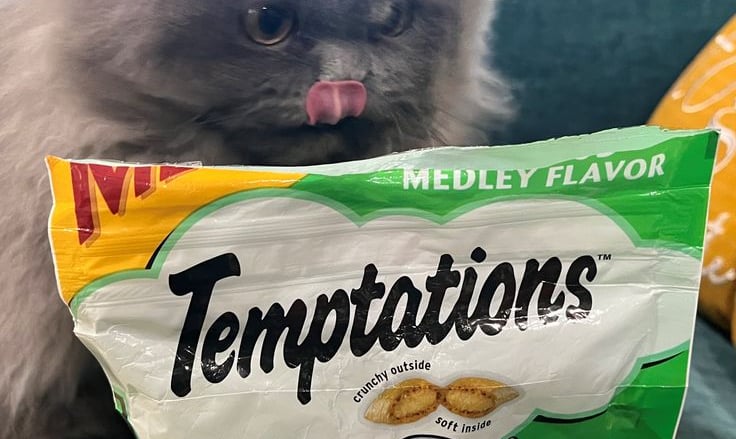
9️⃣ End Interactions on a Positive Note
We always ended sessions with something pleasant — even if progress was small.
Positive Reinforcement
Important reminder:
Treats reinforce calm behavior — they don’t replace boundaries.
1️⃣0️⃣ Be Patient — Introductions Can Take Time
Some cats bond quickly. Others become peaceful roommates. Both outcomes are success.
Even months-long timelines are normal. Mr. Pickles is now 6 months old, and my senior cat still says no thank you. I'll tolerate you to a point, but supervision is still needed.
Want More Structure and Support?
This post shares what worked for us — but every household is different.
If you want exact timelines, printable checklists, reset guidance after setbacks, and step-by-step support for each phase, I created a detailed digital PDF guide based on this experience.
👉 View the complete guide here
Friendly Disclaimer
This post reflects personal experience and is not veterinary advice. Always consult a vet or qualified behaviorist for medical or behavioral concerns.
Please note: This post may contain affiliate links. If you choose to make a purchase, I may earn a small commission at no extra cost to you. Images are for illustration only.











© 2025. Playful Pet Essentials. All rights reserved.
As an Amazon Associate, I earn from qualifying purchases.
This site contains affiliate links. I may earn a commission at no extra cost to you
firechicbrooks945(at)gmail(dot)com
Shop Now
Contact Us At
(Replace [at] with @ and [dot] with .)